Sam Altman's Systemic Ambition (above)
Sam Altman’s systemic ambitions (above)
This talk we’re dedicated to Sam Altman, CEO of OpenAI. Now that ChatGPT and OpenAI are so hot, Sam Altman is getting better known. But I expect within the next few years he’ll have a much bigger impact than he does now, becoming a figure like Steve Jobs and Musk, maybe even bigger.
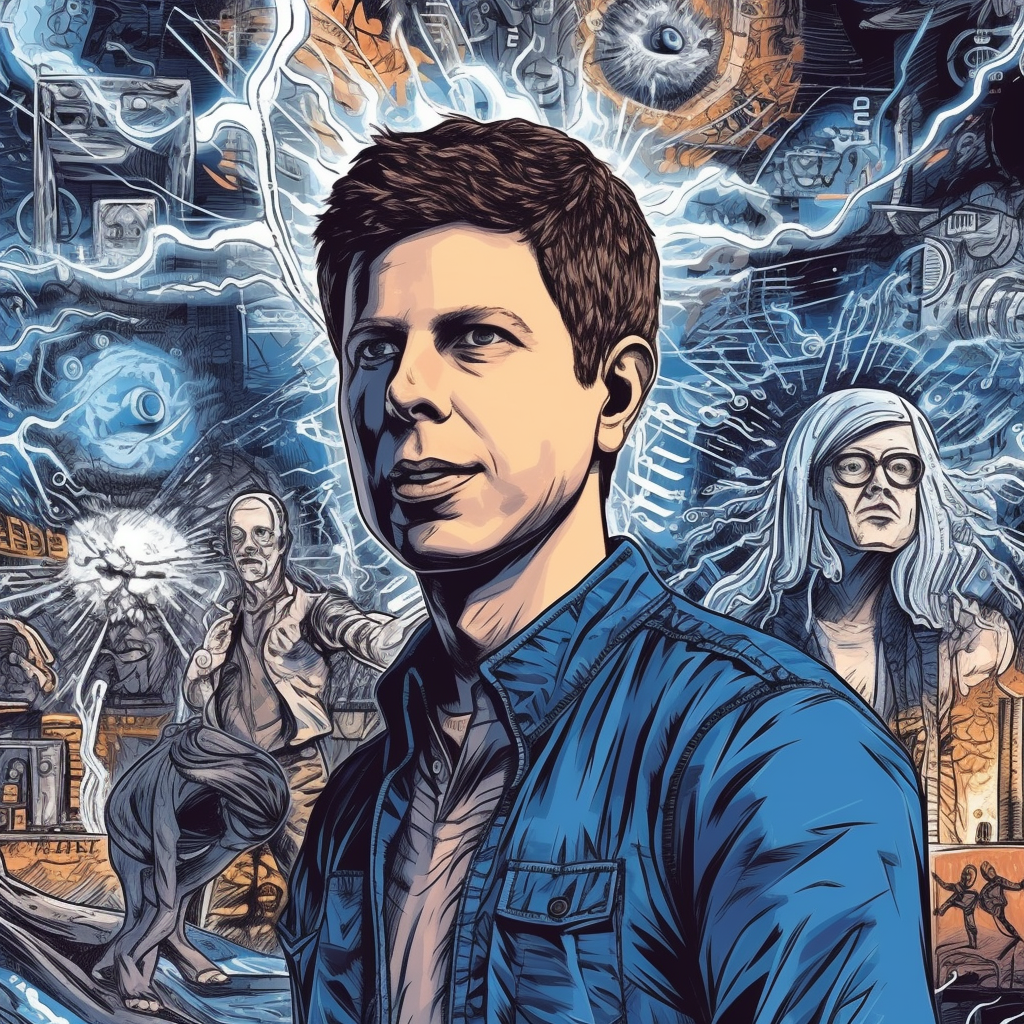
Every entrepreneur is out to change the world, but most people are pretty good at changing a small piece of what’s around them. If you’re lucky enough to be very capable, you can probably count on changing one side of the world at most.
Steve Jobs combined the arts and humanities with technology to reinforce a design philosophy that could be considered to have changed the world a little bit of color. Musk, with his transportation and energy revolutions and his attempts to land on Mars, may be able to change the direction of the world’s evolution a little. No matter how ambitious an entrepreneur is, he is only using himself as a role model: I think this is the right thing to do, I’ll do it first, and if you guys recognize it, you’ll do it with me, and we’ll make as much as we can.
Sam Altman, however, doesn’t see it that way. Recently, people are most interested in what Altman has to say about the GPT model and about AGI, but these are only a small part of what he intends to do and is doing. I’ve recently delved into some of the coverage of Altman [1], read his blog [2], and listened to some of his lectures and interviews [3], and I get the impression that the man is as ambitious as perhaps no one has ever been before.
Simply put, Altman wants to systematically change the world. *
He doesn’t just want to do something in a few areas, what he wants is to revolutionize the lives of all people; he not only wants to make single-point breakthroughs, he also wants to connect the individual breakthroughs and have a coordinated, integrated arrangement for the world. *
As far as I know, the things Altman is doing and intends to do include at least five of the following–
realizing and managing AGI;
fully upgrading modern lifestyles with nuclear energy, biotech and AI;
create a super organization of entrepreneurs to improve the capitalist economy;
create a ‘Charter City’ to test the infrastructure and management of the future;
provide a universal basic income for ordinary people.
These are not things the average entrepreneur thinks about very often. What makes Altman able to do all this?
✵
Sam Altman was born in April 1985 and is just now turning 38 years old. When you first hear about his various ideas, you might wonder if the man is too cocky. But if you take a closer look, especially when you know some of the projects he has made and is working on, you feel as if it really should be done.
First, there’s OpenAI, which has now changed into a for-profit company, much to Musk’s dismay, as it started out as a non-profit organization co-founded by Altman and Musk, an organization whose mission was to stop AI from enslaving or even wiping out humanity in the future.
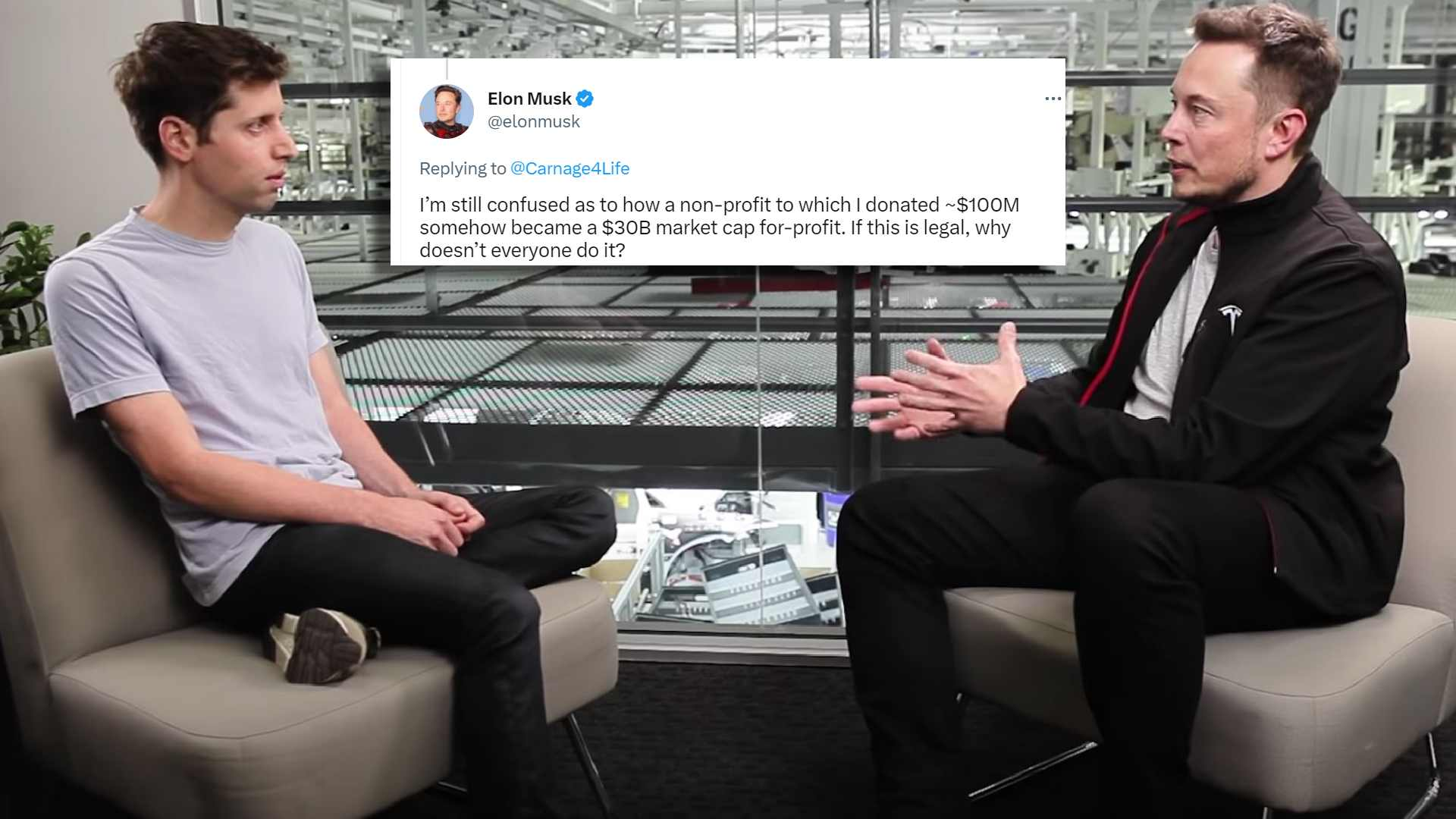
The first thing they envisioned was that since AI is destined to become more and more powerful and will have more intelligence than human beings, it would be better for us to make it first rather than letting those monopolistic companies like Google make it - at least we are more reliable in what we do.OpenAI’s original intention was far more than just to make a big language model, OpenAI is much more than just making a big language model and providing services that can improve productivity, but it is the spirit of being responsible for human beings.
Before that, from as early as 2014, Altman spent 375 million dollars to continuously invest in a company called Helion, which researches controlled nuclear fusion.

This company claims to be on track to achieve a net energy output of Q > 1 by 2024 and to solve all the key engineering problems. We’ve talked about fusion in our columns, and as you know I’m not a big fan of it, but think about this handwriting on the wall.
In 2022, Altman invested $180 million in a biotech company called Retro Biosciences, which researches reversing aging. Altman’s vision is for everyone to live to 120 years old in good health.
Not only is Altman involved in these projects, but he intends to combine them. He is also involved in countless projects through the venture capital firm Y Combinator (YC).
Let’s focus on YC here, where Altman was CEO from 2014 to 2019.
According to Silicon Valley luminary Marc Andreessen, Altman raised YC’s level of ambition tenfold.
✵
What kind of company is YC? Let’s start with venture capital in general. A particularly important reason why there is so much innovation in the US is that venture capital is very well developed. As long as you have a good technology or a good idea and the ability to execute it, you don’t need to have money of your own, someone will invest in you and help you find customers, help you expand your market, and hopefully profit from the process of your growth and development.
Venture capital is divided into stages, first the seed round, then A round, B round, C round …… all the way to the listing. Of course the vast majority of companies will fall at one of these steps, but you can work with a number of venture capital firms in the process, and each can only be involved in one of your stages. For the entrepreneur you get a growth boost, for the investor the risk is spread out, and you invest in a lot of companies, and as long as a few of them make it you’ve made a profit. It’s a very aesthetically pleasing mechanism.
Y Combinator, which was made by Silicon Valley bigwig Paul Graham, his wife and two friends, has revolutionized the mechanism of venture capital in a systematic way.
The idea of YC can be called ‘incubation’ or ‘acceleration’, or it provides a ‘startup boot camp’.
For example, if you’re a small startup that hasn’t gotten any attention from VCs and you don’t know how to make a name for yourself, you can apply to YC’s bootcamp, which is held twice a year, with tens of thousands of applicants each time, and only 200 or 300 will be accepted. Once accepted, YC will provide you with $125,000 in seed money in exchange for a 7% stake in your company [5].
The bootcamp lasts three months and teaches only one thing: how to make a company into a ‘unicorn’ - that is, a company with a market capitalization of one billion dollars.
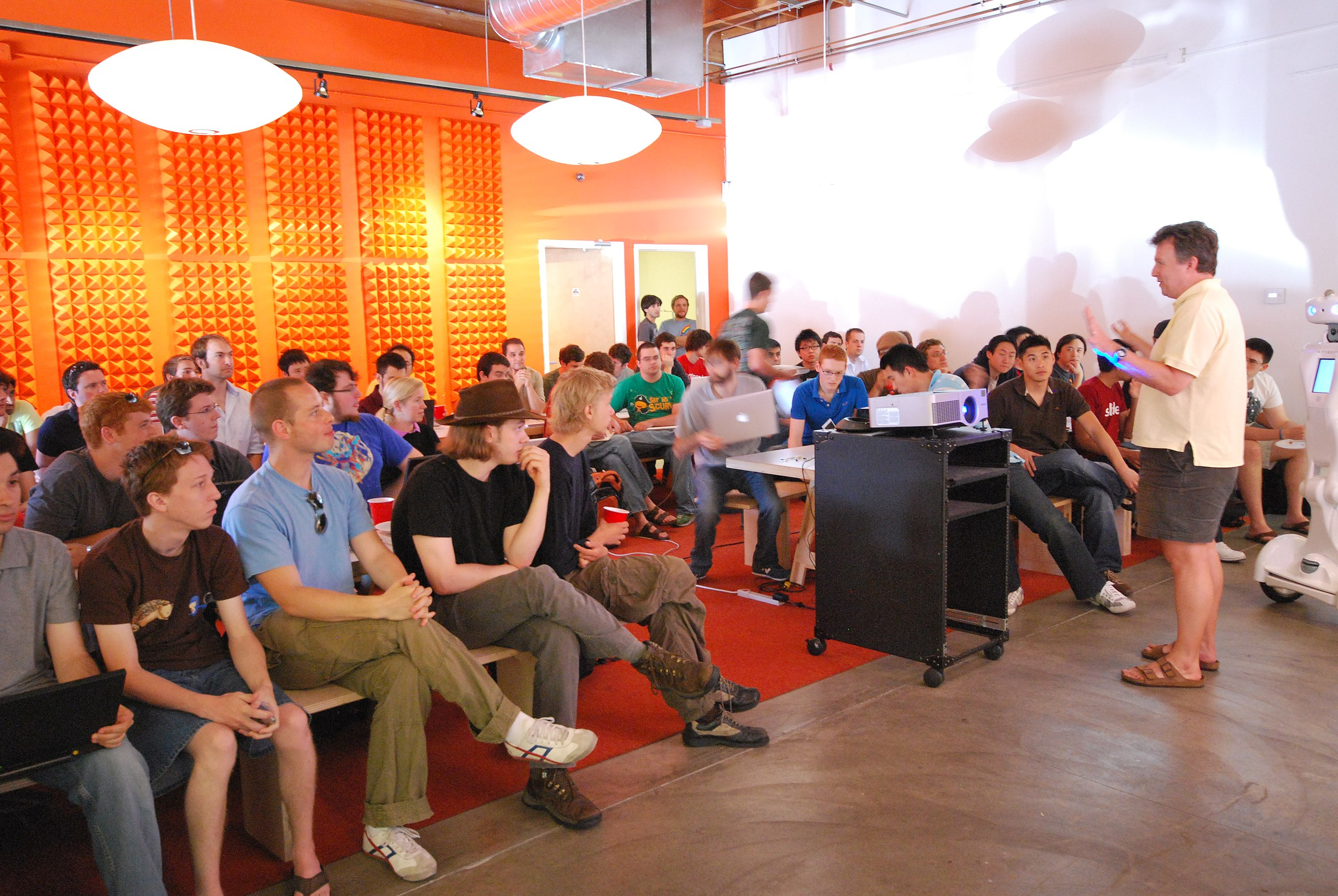
In three months, YC will host a demo conference, which will be attended by probably several thousand investors online and offline. You’ll have about 15 minutes to explain to these investors why your company has grown, try to get Series A funding from them, and you’ll have successfully graduated.
Three months ago, $125,000 for a 7% stake meant that each company was valued at about $1.8 million; after the demo day, the average valuation of these companies will be over $10 million.
To this day, YC has incubated big-name companies like Airbnb, Dropbox, Coinbase, reddit, and more ……
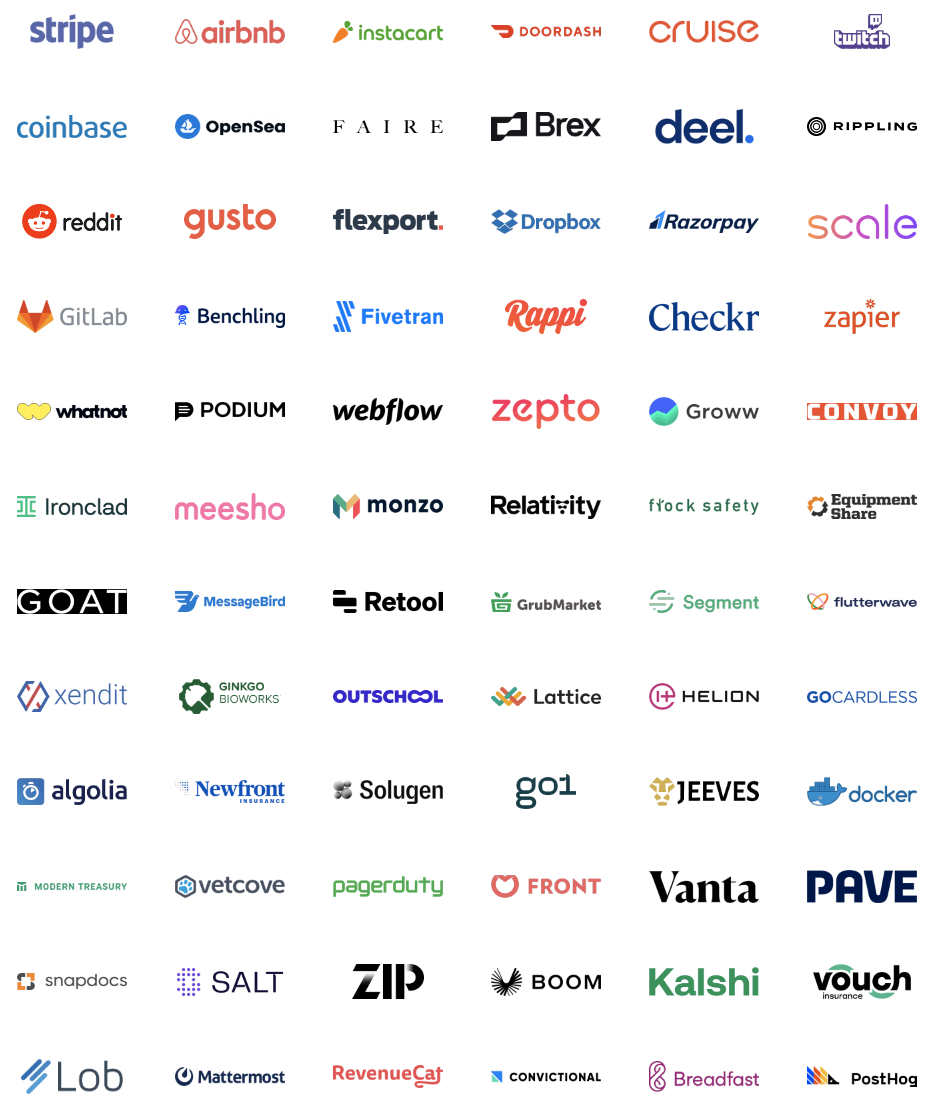
The combined market capitalization of all the companies that have graduated from YC is approaching a trillion dollars.
What makes YC so great is first and foremost the result of rigorous selection. In the beginning, Graham and others judged what kind of company could become based on their own experience, such as “investing in a company is investing in the founder” or something; later it was selected with the assistance of AI.
And YC can really teach you something. One of Graham’s maxims is “make things that people want”, because only then can your company grow, and growth is the most essential feature of startups. yc’s internal standard is whether you can grow 10% every week. Then there’s Graham’s strong emphasis on frugality: he doesn’t want startups to have a lot of money, he wants you to put every penny to good use, because only then can you be forced to focus on getting things done. Probably one of the more useful lessons is that YC will teach you how to impress investors with stories, such as linking yourself to a famous unicorn, etc etc.
But I’m afraid YC’s most important strength is still networking. Your company, originally obscure, enters YC and all of a sudden becomes the object of attention of many venture capitalists. The companies that graduated from YC will come back as investors after they grow and develop, and you form a huge network of alumni who lift each other up. Not to mention, the fact that there are thousands of companies willing to learn about or even try your product as soon as you graduate from YC is of tremendous value.
YC uses its prestige and network to create an effect of scale regarding venture capital.
Altman understands this effect very well and intends to maximize it.
✵
In 2005, Altman, a sophomore at Stanford, started a company called Loopt and joined the YC bootcamp as one of the first trainees.At one point, Loopt was valued at $175 million. At one point, Loopt was valued at $175 million, but Altman liked the YC model so much that he sold Loopt in 2012 for $43 million, and simply became a startup mentor at YC himself.
People quickly discovered Altman’s talents as a mentor. He’s particularly good at inspiring people - perhaps called “lulling” in Chinese - and he can give you a clear view of your company’s potential. Altman has been called the ‘Yoda of entrepreneurs’, like Master Yoda in the movie Star Wars. If you encounter a difficulty and don’t know what to do, talk to Ultraman and he will give you a straight-to-the-point advice in a few words.
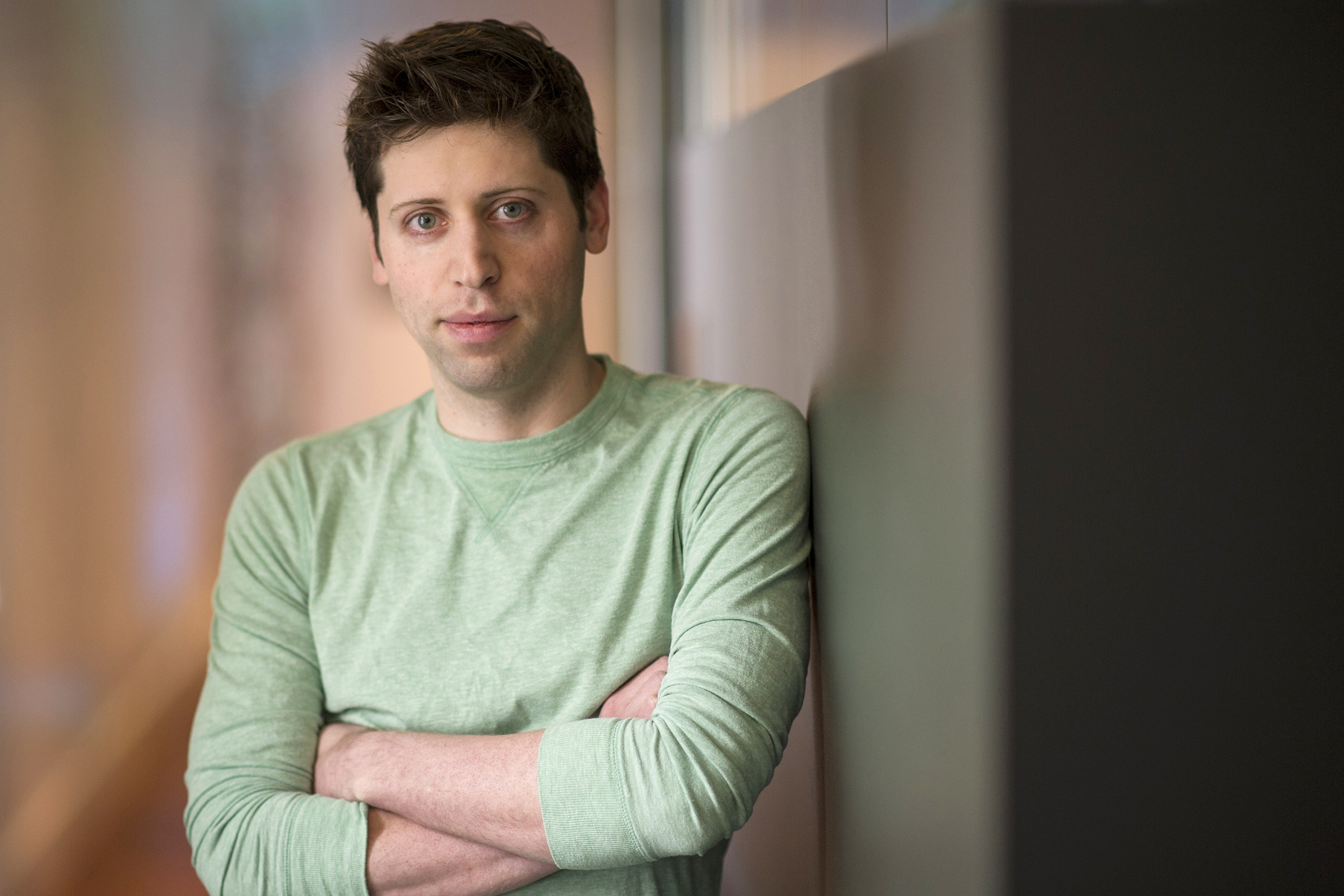
Graham was extremely satisfied, and then in 2014 passed the position of YC CEO to Ottman, who was 29 years old at the time. Ottman was unambiguous and immediately set out to change YC.
Originally, the idea of YC executives was that since YC’s greatest value lies in its alumni network, we should find ways to make participants love YC more, such as at the very least, we should provide them with better food. But Altman thought such love could be a little less.
Altman thinks YC’s elimination rate isn’t high enough. The business of venture capital obeys a power rate distribution, and according to the law of two or eight, most of your profits come from a handful of companies. That being the case, it’s only right that the companies that don’t work should be allowed to fail at a faster rate and stop interfering with us: so YC should be a little more ruthless!
You see this kind of thinking, this bottom line, is so different from the relational science that we Chinese are used to …… Maybe only young people can do it. Altman’s bottom line is also reflected in his belief that some of the founders who graduated from YC have become arrogant, which is detrimental to both YC and Silicon Valley. So he emailed some people and warned that it’s not right that some companies can stay afloat simply because they came out of YC; bad companies are better off dying quickly.
That’s like voluntarily streamlining an organization’s membership in the midst of a succession of winning revolutions. Ask how many CEOs have this realization, but it is absolutely true under the law of two or eight.
On the other hand, Altman is maximizing YC’s influence. He’s got YC doing a no-admission-required entrepreneurship school [6] that offers a free online course that anyone can take. You take the class, YC doesn’t invest in you or take a stake in you, but still wants you to grow …… Maybe in the future you’ll pay YC back in unexpected ways.
As for the circle companies, Ottoman has strengthened YC as an alumni network. It has been said that the YC network is like a United Nations, and Altman is the Secretary General. He often leads these companies to join forces to do things like work on AI strategies, environmental issues, or U.S. tech policy.
So Altman’s strategy is to bring the YC network closer together. The original situation was that at the beginning YC owned 7% of your shares, you graduated and got a big amount of money from outside venture capital firms, and YC’s shares were diluted. So Altman now has a growth fund called YC Continuity, which specializes in giving you additional investment when you graduate so that YC continues to own your 7%.
And that’s like stealing the show from traditional venture capital firms. So what do you think Sequoia Capital will think about this? The extreme scenario of this operation model is that in the future, but there is a potential startup company, YC will provide a full range of support and services from the cradle to the growth, and then it will come back to feed the rest of YC, and then all these YC alumni to form a network that is enough to shake the world …… Are you Ultraman to take over everything?
✵
Keep in mind that Altman was already advising the US Secretary of Defense on policy back in 2016, and that he didn’t think the really big things could be left to the government just yet.
If you think about it that way, OpenAI was just one piece of Altman’s plan, with things like and nuclear energy and longevity programs being the other pieces. Only then OpenAI got more and more powerful, and Altman joined OpenAI’s board of directors in 2018.
In 2019, Altman simply resigned as CEO of YC and became CEO of OpenAI …… Then came the saga of the last few years.
And all of this is just the beginning of those grand narratives in Altman’s head. Don’t forget he’s only 38.
Annotation.
[1] Particularly recommended Tad Friend, Sam Altman’s Manifest Destiny, The New Yorker, October 3, 2016.
[2] https://blog.samaltman.com/
[3] Recommends an entrepreneurship course Altman taught at Stanford: https://www.youtube.com/watch?v=CBYhVcO4WgI
[4] Elite Daily Lesson Season 5, Can new fusion energy change the world?
[5] These two numbers have changed over time, but are roughly the same.
[6] https://www.startupschool.org/?utm_campaign=ycdc_header&utm_source=yc
Highlights
Ultraman wants to systematically change the world.
He doesn’t just want to do something in a few areas, he wants to revolutionize the lives of all people; not only does he want to make a single breakthrough, but he also wants to connect the individual breakthroughs to have a coordinated, integrated arrangement for the world.